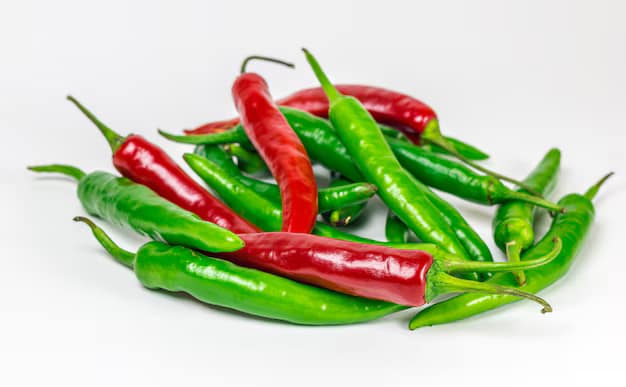
Difference Between Red and Green Chili Peppers in Local Cooking
In Arusha kitchens, the choice between red and green chili peppers often dictates the soul of a dish. While many believe they are different species, most actually come from the same plant at different life stages. Specifically, green chilies are harvested early, whereas red chilies are left to ripen fully on the vine. Therefore, understanding their distinct personalities is essential for any Tanzanian home cook or professional chef. This human-centric guide explores the nuances of flavor, heat, and nutrition that these vibrant peppers bring to our local tables.
Flavor Profile: Fresh vs. Mature
The primary difference between these two colors is the complexity of their flavor as they mature over time. Specifically, green chilies offer a sharp, tangy, and “grassy” taste that provides an immediate punch of freshness. Moreover, they are perfect for quick-cooking dishes or fresh salsas like Kachumbari where you want a bright, vegetal kick. In contrast, red chilies develop a deeper, sweeter, and sometimes smoky flavor as their natural sugars concentrate. As a result, red varieties are better suited for long-simmering stews and sauces that require a more rounded and mellow taste. Thus, your choice should align with whether you want a “bright” or “earthy” finish to your meal.
Heat Levels and the Scoville Scale
A common misconception in local markets is that red chilies are always significantly hotter than their green counterparts. However, the heat level mostly depends on the specific variety and growing conditions in the Arusha region. Specifically, a fully ripe red pepper may contain slightly more capsaicin simply because it has stayed on the plant longer. Moreover, the heat in red chilies tends to build slowly and linger on the palate for a more persistent burn. Conversely, green chilies often deliver a sharp, immediate heat that hits fast but fades relatively quickly after the first bite. For instance, a small “Bird’s Eye” chili will be much hotter than a large mild pepper, regardless of its color.
Nutritional Benefits and Usage for Red and Green Chili Peppers
Furthermore, the ripening process changes the nutritional value of the pepper, making both colors beneficial in different ways. For instance, green chilies are exceptionally high in Vitamin C, which supports your immune system and skin health during the dry season. Specifically, they are often eaten fresh or lightly cooked to preserve these sensitive antioxidants and minerals. On the other hand, red chilies are richer in Vitamin A and beta-carotene, which are crucial for maintaining healthy vision. Furthermore, red peppers are frequently dried and ground into powder to provide a concentrated source of heat and color for spicy curries. Consequently, incorporating a mix of both into your diet ensures you receive a diverse range of essential vitamins.
You can now order groceries in Arusha,Tanzania via Sambazah – https://sambazah.co.tz/ .
You can also order via WhatsApp at 0744600023 or 0745441300.
Enjoy a hassle free shopping experience in Arusha and Tanzania at large. Same day delivery.